
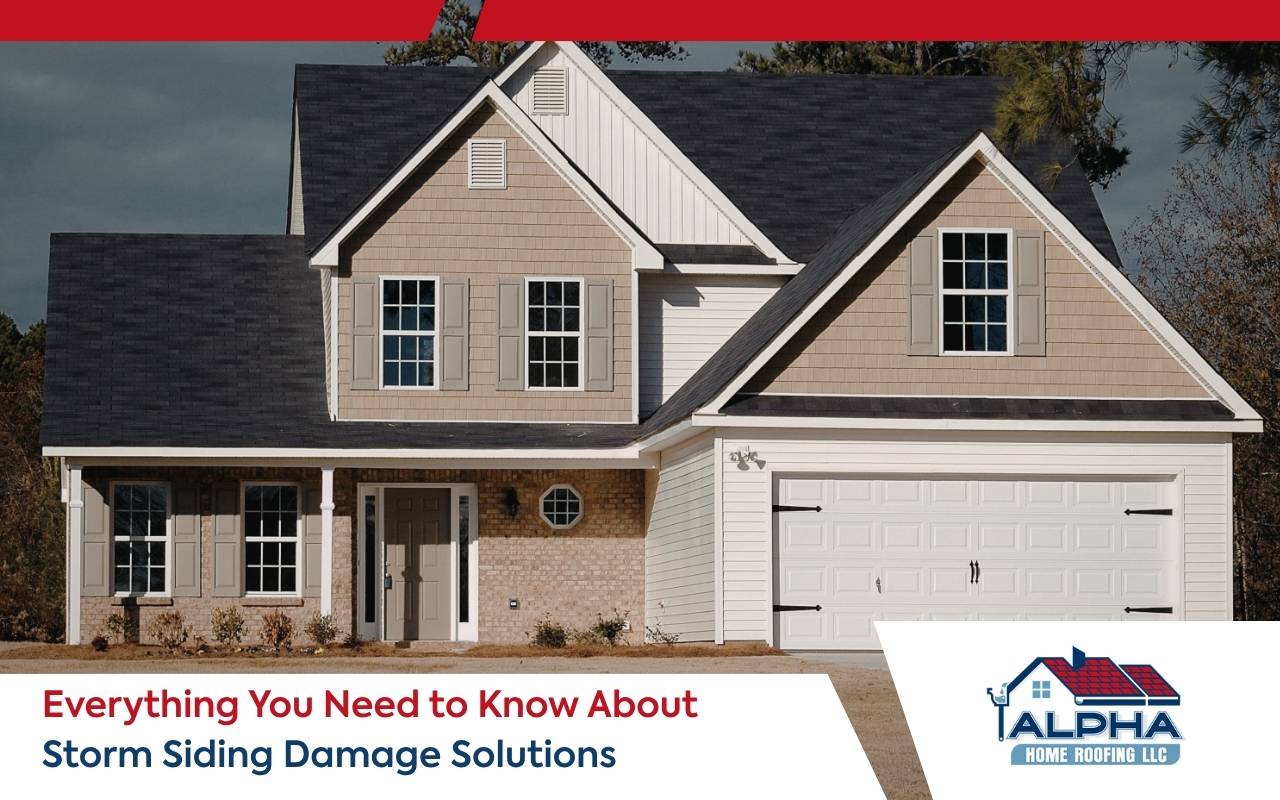
When the skies over New Providence darken with signs of an approaching storm, homeowners know the risks extend beyond strong winds. The threat of storm siding damage is ever-present, leaving homes vulnerable and residents anxious about repairs. With severe weather becoming more frequent, understanding how to protect your siding is essential. Imagine stepping outside after a fierce storm to find cracks and dents across your home’s exterior. Although it can be overwhelming, the right knowledge and steps can make recovery smooth and effective. This article explores key strategies to address storm siding damage and maintain your home’s resilience for years to come.
Understanding Storm Siding Damage
Your siding acts as a shield against harsh elements such as rain, hail, and strong winds. In New Providence, when storms hit, flying debris and intense gusts often cause storm siding damage. This damage ranges from small chips to deep cracks that allow moisture inside. Each siding material reacts differently—vinyl may warp, wood can rot, and metal may dent. Fiber cement resists impact but might develop small fractures. Therefore, identifying how storms affect these materials helps you plan effective repairs and extend the life of your home’s exterior.
To learn more about identifying warning signs, visit siding damage signs.
Common Types of Storm Damage to Siding
- High winds can tear off panels or hurl debris that causes punctures.
- Hailstorms leave dents or cracks that lead to water infiltration.
- Heavy rains wash away protective paint and worsen small flaws.
- UV rays following a storm can fade colors or warp vinyl siding.
Recognizing the cause of storm siding damage ensures appropriate repairs and better prevention. For ideas to boost your home’s exterior after repairs, explore home curb appeal.
Signs of Storm Damage to Look Out For
- Loose or missing panels indicate wind-related issues.
- Cracks at corners or joints may expand over time.
- Small dents or holes often hide deeper water entry points.
- Discolored streaks can mean moisture trapped behind panels.
- Sagging or bulging areas suggest internal water damage.
By watching for these clues early, you’ll prevent worsening storm siding damage and maintain your property’s durability. Acting quickly also reduces repair costs and preserves your home’s appearance.
Importance of Timely Repair and Maintenance
Addressing storm siding damage promptly prevents minor problems from escalating into costly repairs. Ignoring even small cracks allows moisture to enter and create mold, rot, or insulation damage. Moreover, regular maintenance keeps your property value high and boosts its aesthetic appeal. Homeowners who react quickly often spend less and maintain energy efficiency longer. If your home requires extensive repair, consider professional help through replacing siding on a house.
DIY Assessments for Storm Siding Damage
Inspect your siding only when the weather is calm. Use a sturdy ladder to check seams and edges, and bring a flashlight to detect cracks. Moisture meters can help you locate damp spots behind siding panels. Document everything with photos so you can track any progression. If the task feels beyond your comfort zone, reach out for assistance. A professional inspection guarantees accurate results and safe handling of hidden storm siding damage.
Hiring Professional Help: When and How
Some damage requires expert attention. If you notice extensive rot, displaced panels, or indoor water stains, call experienced contractors. Professionals know how to evaluate structural risks and choose the best repair or replacement solution. Always check credentials, insurance, and local references before hiring. Reliable experts ensure a seamless process—from removing old siding to final cleanup—so your home stays protected and visually appealing.
For detailed advice on material choices, visit new siding benefits.
Materials and Tools Needed for Siding Repair
- Replacement panels matching your existing siding.
- Weather-resistant nails or screws.
- High-quality caulk and primer.
- Exterior-grade paint with UV resistance.
- Protective gear such as gloves and goggles.
Using the right materials ensures your repairs endure future storms. Accurate alignment and sealing are key to preventing more storm siding damage.
Step-by-Step Guide to Repairing Storm Siding Damage
Begin by cleaning the area and removing debris. Detach damaged panels carefully with a pry bar. Then measure and cut the replacement piece to fit precisely. Secure the panel using corrosion-resistant fasteners, leaving a small gap for expansion. Apply exterior caulk along seams and finish with paint for a polished look. After completing the task, review the area to confirm alignment and tight sealing. Each step ensures long-lasting protection and aesthetic consistency.
Preventative Measures to Protect Siding from Future Storms
- Inspect siding at least once a year.
- Trim nearby trees to reduce impact from flying branches.
- Reapply sealant around windows and doors regularly.
- Install impact-resistant shutters if storms are frequent.
- Reinforce vinyl and aluminum panels with metal backing.
For inspiration on exterior style while maintaining resilience, check out siding color trends nj. Preventive maintenance ensures your siding withstands New Providence’s unpredictable weather.
Frequently Asked Questions About Storm Siding Damage
Look for subtle color changes, moisture stains, or slight panel movement. These may signal internal storm siding damage invisible at first glance.
Is DIY siding repair effective after a severe storm?
Minor cracks or dents can be fixed at home, but significant storm siding damage needs professional evaluation for safety and durability.
What siding material best resists future storms?
Fiber cement and reinforced vinyl are reliable choices. They resist impact and limit long-term storm siding damage effectively.
How often should I inspect my siding?
Check at least twice a year—once before storm season and once after. Consistent inspections prevent unseen storm siding damage from worsening.
Where can I get expert help for repairs?
Contact trusted professionals through contact to schedule an inspection or repair appointment. Prompt action ensures your home stays protected.
Ensuring Your Home Stands Strong Against Storms
Ultimately, staying proactive is your greatest defense against storm siding damage. Whether you handle small repairs or rely on experts, consistent care keeps your home strong and beautiful. By following preventive tips and scheduling timely maintenance, you’ll extend your siding’s lifespan. Keep your property ready for any weather challenge and enjoy peace of mind knowing your home is secure season after season.
Ready to protect your home? Reach out to the experts today through contact for a thorough assessment and professional siding care.