
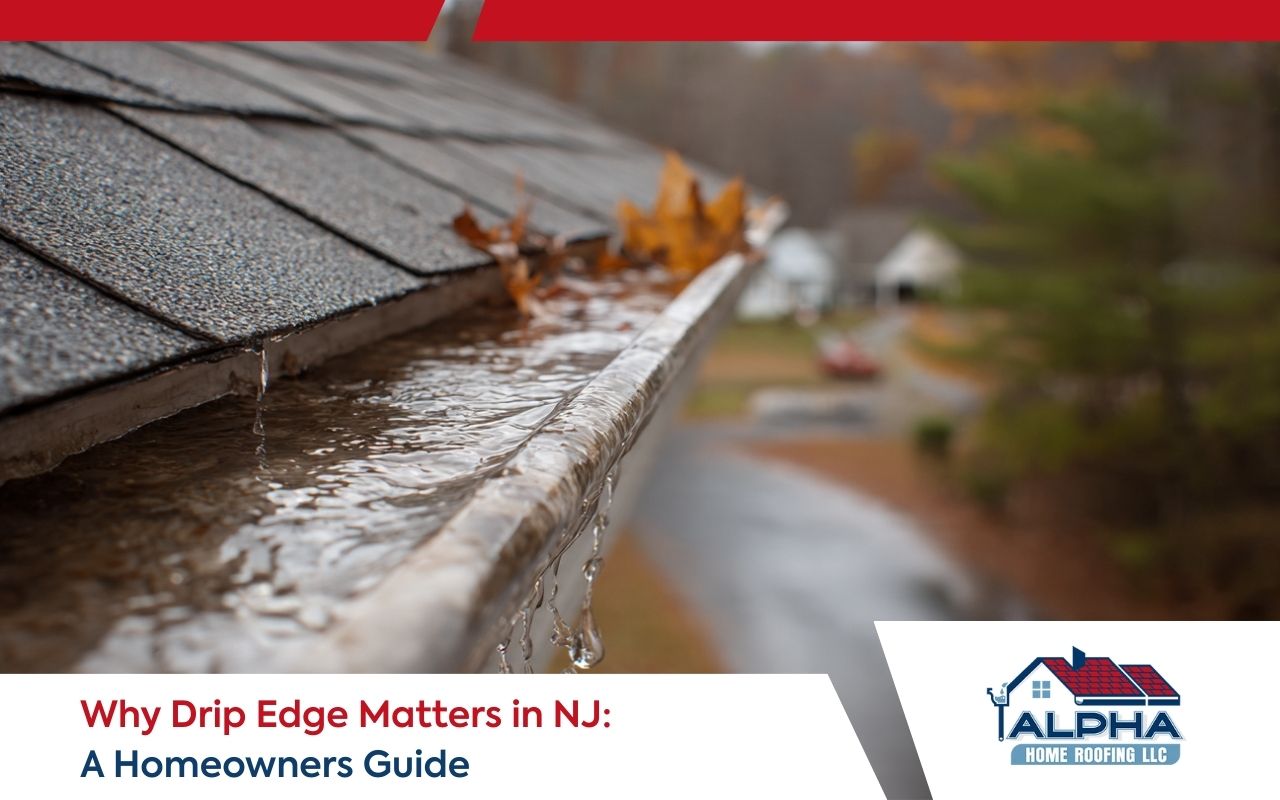
Recognize the vital role that each component of your house plays, especially when it comes to maintaining its structural integrity and aesthetic appeal. The drip edge is a small yet crucial element that guards your home against weather-related damage. In New Jersey, drip edge importance in NJ is even more critical for homeowners, since storms and snowmelt can expose weak roof edges fast.
Without proper protection, water cascading off your roof can lead to costly repairs. A well-installed drip edge directs water away from your home’s fascia and walls, reducing dampness and decay. Just as important, meeting local requirements supports safer roof performance and long-term durability.
The Basics of Drip Edge Installation
Start by measuring roof edges before ordering materials. Accurate sizing helps prevent gaps along eaves and rake edges. Next, remove old shingles at the edge to expose the roof deck, so the metal sits flat and channels water the right way. If you want a bigger upkeep plan, follow the steps in the roof maintenance guide from Alpha Home Roofing LLC.
- Measure eaves and rakes carefully for full coverage.
- Expose the deck so the drip edge fits flush.
- Overlap pieces by at least one inch to reduce leaks.
Nail the drip edge along the eaves first, fastening every 8 to 10 inches with corrosion-resistant nails. Ensure the flange overhangs the fascia board slightly for better fascia protection. Then install along rake edges, keep overlaps tight, and re-lay shingles over the flange for a snug finish.
Benefits of Drip Edge in Protecting Your Roof
A drip edge supports healthier roof performance by guiding water away from vulnerable areas. As a result, it lowers the chance of moisture building up under shingles, which can lead to mold, mildew, and wood rot. Over time, that protection helps avoid repairs that often cost more than the materials and labor needed upfront.
- Reduces moisture under shingles.
- Lowers risk of rot near the roof deck.
- Helps gutters work more efficiently.
It also improves curb appeal by creating a clean roofline that blends with gutters and fascia boards. For homeowners working with a trusted team like Alpha Home Roofing LLC, these small details often create the biggest long-term impact.
Importance of Drip Edge in Preventing Water Damage
A drip edge is a key barrier against water entering critical roof areas. When rain flows to the edge, the metal directs it away from the fascia and soffit. Without it, water can slip behind gutters or under shingles, which may cause interior leaks and wood damage. This is where drip edge importance in NJ becomes easy to see during heavy downpours.
- Channels water away from fascia and soffit.
- Helps prevent leaks behind gutters.
- Supports fascia protection during storms.
Since New Jersey sees rain, snow, and freeze-thaw swings, steady water control matters. Therefore, adding this simple part helps keep your home dry and stable year-round.
Drip Edge Compliance with Local Building Codes
Knowing code basics helps homeowners avoid surprises during roofing work. In many NJ areas, drip edge is required along eaves and rake edges to meet minimum protection standards. These rules support consistent roof quality and long-term durability across the state. Alpha Home Roofing LLC often helps homeowners align installation details with local expectations.
Before starting, check your municipality for requirements like material type and fastening intervals. Meeting these standards can prevent rework and can also support resale confidence, since buyers often prefer homes with documented code basics followed during roof updates.
Types of Drip Edge Materials for NJ Homes
Material choice affects durability and appearance. Common options include aluminum, galvanized steel, and copper. Aluminum is lightweight and resists rust, which can help in humid or coastal conditions. Galvanized steel adds strength, while copper lasts a long time and develops a natural patina.
- Aluminum: lightweight and rust-resistant.
- Galvanized steel: strong and reliable.
- Copper: long lifespan with a premium look.
Since drip edge importance in NJ ties closely to weather exposure, choose a material that fits local conditions and your roof style. For guidance that matches your roof care routine, Alpha Home Roofing LLC can also point you toward practical maintenance steps.
Common Drip Edge Issues and How to Address Them
Even well-installed drip edge can develop issues. Warping may happen after extreme temperature changes, and nails can loosen during freeze-thaw cycles. Inspect the edge after major storms and during seasonal checks. Also, keeping gutters clean helps reduce overflow, so use these roof cleaning tips to cut down on debris.
If you spot bent sections, carefully lift and straighten the metal with a rubber mallet. Replace damaged nails and re-secure loose sections. If corrosion appears, remove the affected piece and install a matching replacement for steady fascia protection.
Hiring a Professional for Drip Edge Installation
Working with a roofer can save time and reduce mistakes. Professionals understand code basics and use tools that protect shingles and fascia boards during installation. When comparing contractors, check licensing, insurance, and reviews from NJ homeowners. Alpha Home Roofing LLC can also explain installation steps and the warranty details that apply to your roof type.
Ask for clear quotes that outline labor, materials, and timelines. That way, you can compare options confidently and avoid gaps in the scope of work.
Maintaining Your Drip Edge for Longevity
Maintenance helps your drip edge last longer. Twice a year, clear debris from roof edges and gutters so water can flow freely. Trim overhanging branches to reduce dents and scratches. If you see chipped paint or light rust, use a metal-safe primer and finish coat to slow corrosion.
Tighten loose nails and realign shifted pieces promptly. With consistent care, drip edge importance in NJ becomes less about reacting to damage and more about preventing it in the first place.
Frequently Asked Questions
Is a drip edge required in New Jersey?
Many NJ municipalities require it along eaves and rakes. Always confirm local code basics before starting work.
How does a drip edge help with fascia protection?
It guides water away from the fascia and soffit. This reduces rot, peeling paint, and hidden moisture damage.
Can I install drip edge myself?
Yes, if you are careful with measurements, overlaps, and fastening. However, a pro can help avoid common mistakes.
What material is best for NJ weather?
Aluminum resists rust and is common in humid areas. Galvanized steel is strong, and copper lasts the longest.
How often should I inspect my drip edge?
Check it at least once or twice per year and after severe storms. Early fixes help keep water from spreading.
Enhancing Curb Appeal with Drip Edge Design
A drip edge can improve exterior style while protecting the roof. Choose colors that match shingles and siding for a clean look. For example, darker tones can create a sharp outline against lighter shingles. Decorative profiles can add subtle detail while keeping water control strong.
When form and function work together, drip edge importance in NJ supports both protection and appearance. Homeowners who want a cohesive roofline often work with Alpha Home Roofing LLC to align trim, gutters, and edge details for a polished finish.
Ensuring the Longevity and Protection of Your Home
Proper installation and upkeep protect your roof, fascia protection, and structure from water damage. By following code basics and choosing materials that match NJ conditions, you reduce repair risks and help preserve home value year after year. In many cases, drip edge importance in NJ becomes most obvious after the first major storm.
Whether you DIY or hire a contractor, investing in a quality drip edge is smart home care. With inspections and timely repairs, this modest component keeps working quietly to protect your home. If you want help aligning your roof edge details with the rest of your system, Alpha Home Roofing LLC is a practical next step for homeowners who prefer long-term results.