
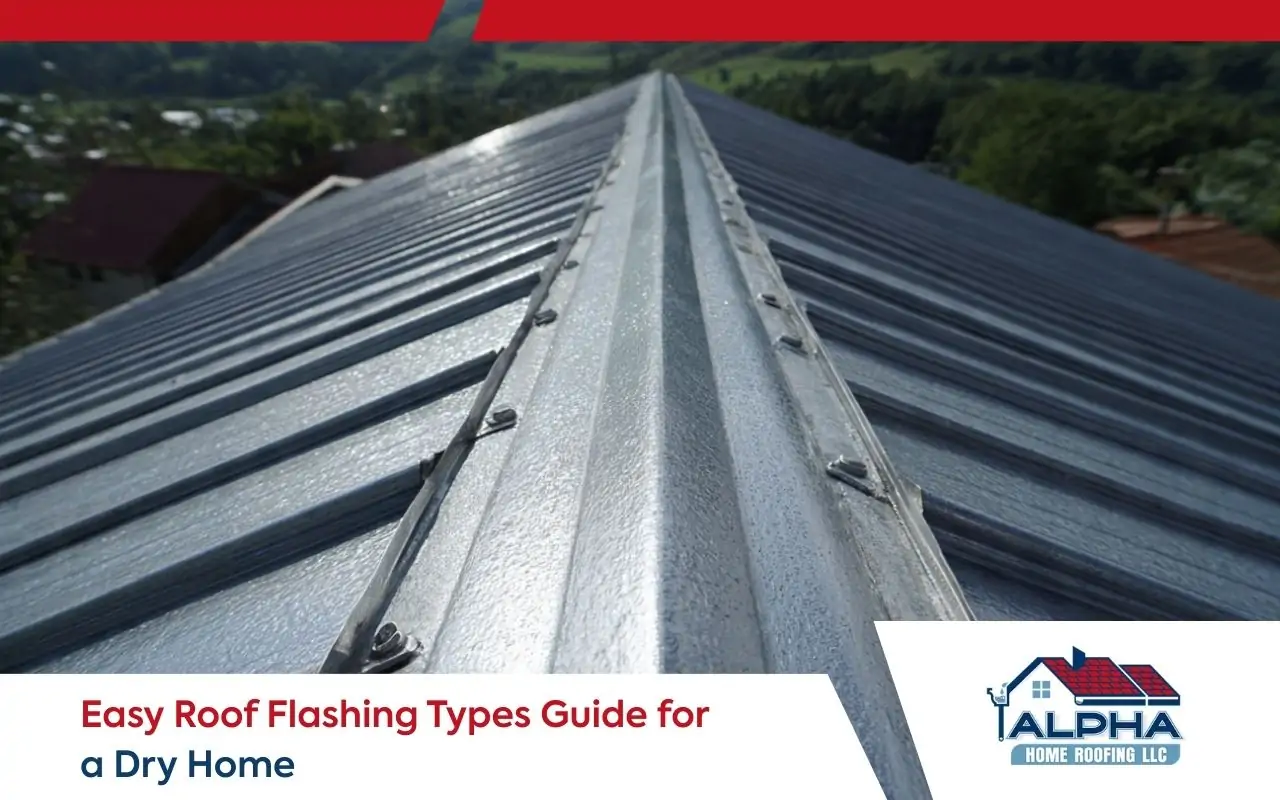
Explore: A User-Friendly Roof Flashing Types Guide. Understanding the types of roof flashing can feel intimidating. However, this guide is your simple map for roof protection. Roof flashing keeps water out and helps stop leaks. So, whether you’re working with a valley, apron, or step detail, smart choices matter.
Also, this Roof flashing types guide explains how to pick good materials for your roof. As a result, you can feel calmer during rain and storms. We break each idea into small steps. Therefore, homeowners and DIY beginners can learn fast and protect a home, one layer at a time.
Why Roof Flashing Matters
Roof flashing is a key part of a roof that helps keep your home dry. In this Roof flashing types guide, flashing covers weak spots where two surfaces meet. For example, it sits near chimneys, vents, and roof edges. As a result, rain follows a safer path and stays outside.
Because water can slip into tiny gaps, flashing helps protect attics and walls from damp issues. Therefore, it can lower the risk of rot, mold, and costly repairs. Over time, wind, snow, and ice push water into seams. So, flashing guides water away and supports a longer-lasting roof.
Common Roof Flashing Types You Should Know
This Roof flashing types guide covers the most common flashing styles. Each one fits a specific roof area. So, learning the basics helps you spot weak points early. In addition, the right choice can reduce leak risk.
- Valley flashing: protects the channel where two roof slopes meet.
- Apron flashing: seals the join between a roof and a vertical surface.
- Step flashing: shields roof-to-wall areas with layered pieces.
To stay ahead of issues, you can use this roof inspection checklist to review common trouble spots. Also, it helps you note changes after storms.
Valley Flashing Explained
Valley flashing moves water away from the V-shaped meeting point of two roof planes. Because this area collects lots of runoff, it can leak more often. Therefore, a clean valley path helps water flow into gutters instead of under shingles.
For better protection, installers often use long metal sheets along the full valley length. Also, good overlap at the top and bottom helps block gaps. So, water has fewer chances to sneak into the roof system.
Apron Flashing Made Simple
Apron flashing helps where a roof meets a vertical surface, such as a wall, chimney, or skylight. As a result, it stops water from slipping behind siding or brick. In many cases, it sits at a chimney base or along sidewalls to guide water onto shingles.
For a tighter seal, the metal should sit snug against the wall and overlap roof materials. Also, a roof-safe sealant can help block wind-driven rain and snow. Therefore, both the roof and wall stay better protected.
Step Flashing in Plain Words
Step flashing uses small metal pieces placed in a layered pattern along roof-to-wall joins. Each piece bends at a right angle. One side sits under the shingle above it. The other side rests against the wall. So, water runs down in small “steps.”
Correct work means you alternate shingles and flashing from the lowest point upward. Therefore, the joint stays covered as water moves down the roof. Also, quick checks after storms can catch loose pieces early.
Materials Used for Roof Flashing
Materials affect how long flashing lasts. In this Roof flashing types guide, common choices include galvanized steel, aluminum, copper, and lead-coated copper. Each option has a different mix of strength, rust resistance, and lifespan. So, climate and roof design matter.
- Galvanized steel: strong and widely used.
- Aluminum: light and resists rust well.
- Copper: long-lasting and looks premium.
- Lead-coated copper: flexible and durable.
In addition, flexible flashing tape can help around small roof openings. However, it may wear sooner than metal. So, think about weather, roof slope, and long-term needs before you decide.
Simple Installation Tips That Help Prevent Leaks
Good installation matters as much as the material. First, clear debris and remove old sealant or damaged pieces. For valley sections, metal sheets often sit on the roof deck and attach with rust-resistant nails. Also, overlapping pieces helps keep water out of seams.
- Clean the surface before placing new flashing.
- Overlap metal sections so water sheds outward.
- Seal nail heads and edges with roof-safe sealant.
If you prefer a full care plan, this roof maintenance guide can help you build a routine that supports long roof life. Therefore, small steps can prevent big problems.
Maintenance Tips for Long-Lasting Flashing
Regular checks can stop small gaps from becoming leaks. So, look twice a year for cracks, rust, or lifted edges. Also, check after heavy wind or hail, since flashing can bend or loosen.
- Watch for rust, dents, and open seams.
- Clear leaves and debris near valleys and edges.
- Repair small gaps early with quality sealant.
If a piece is badly bent or corroded, replacing that section can be the safer choice. Also, flashing tape should stay stuck at the edges. Therefore, steady upkeep protects your home and keeps water out.
Frequently Asked Questions
What does roof flashing do?
It helps direct water away from roof joins, edges, and roof openings. So, it reduces leak risk.
Which flashing type is best for a roof valley?
Valley flashing is made for the channel where two slopes meet. Therefore, it handles heavy runoff better.
Where is apron flashing commonly used?
It is used where a roof meets a wall, chimney, or skylight. As a result, it blocks water from sliding behind walls.
How do I know if step flashing is failing?
Look for lifted shingles near walls, rust, or water stains indoors. Also, gaps at the wall line are a warning sign.
Which materials last the longest?
Copper and lead-coated copper often last a long time. However, local weather and installation quality still matter.
Protecting Your Home with the Right Flashing
Learning the Roof flashing types guide basics helps you choose the right fit for each roof area. Valley, apron, and step styles each solve a different problem. So, matching the type to the spot improves protection. Also, picking strong materials supports long performance.
Just as important, careful installation and steady upkeep keep water out over time. If you want expert help for repairs or upgrades, explore roofing services from Alpha Home Roofing LLC. Therefore, you can protect your home and feel more confident in every season.