
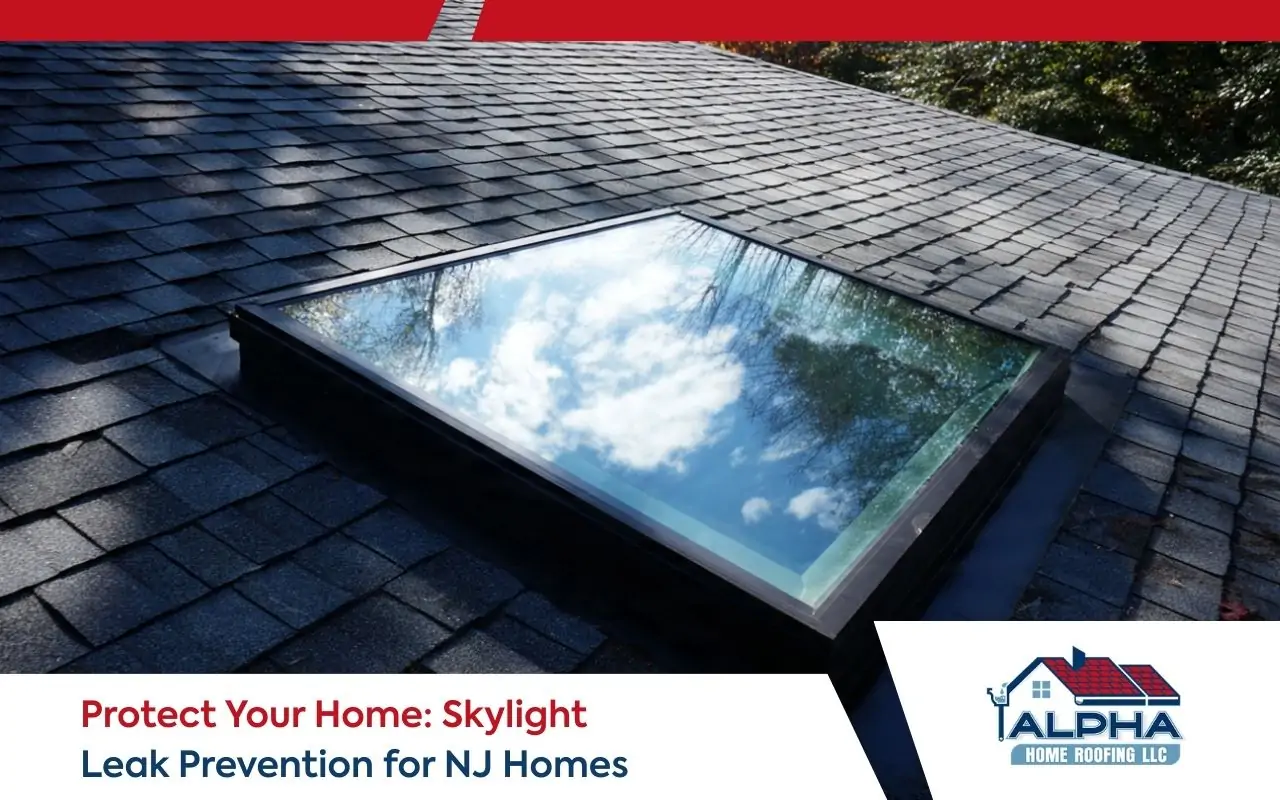
Understanding the key steps to protect your home is important for every homeowner in New Jersey, especially with skylights. Addressing leaks is not only about keeping your rooms looking nice; it also helps protect the strength and safety of your structure.
Skylight leak prevention for NJ homes should not wait. Because the state sees heavy rain and snow, skylights can become a real concern without care. Imagine a quiet night interrupted by a steady drip. That sound is more than annoying; it is a clear warning.
Still, you can reduce risk with smart steps. Proper Flashing, a solid Curb, and a strong Ice and water shield help stop water before it enters. These actions can also help you avoid costly repairs and added stress. Now, let’s review how to keep your skylights dry and worry-free.
Why Skylight Care Matters in New Jersey
Routine checks can stop small issues before they become big problems. For example, a tiny crack or worn seal can let in moisture. As a result, mold may grow and wood may weaken over time.
- Check seals for splits and gaps.
- Look for stains on ceilings and trim.
- Watch for damp smells after storms.
In New Jersey, heavy rain and snow make early signs even more important. Because of that, seasonal upkeep protects your finishes and supports a healthier indoor space.
Also, regular care helps your skylight last longer. Cleaning debris and checking the edges can keep leaks away. For skylight leak prevention for NJ homes, plan checks each season, especially before winter.
Finally, a well-kept skylight can help lower energy waste. When seals stay tight, drafts drop. Therefore, your indoor temperature stays steadier through summer and winter.
What Usually Causes Skylight Leaks
Knowing common causes helps you act sooner. Many leaks start near the edges where the skylight meets the roof. Over time, roof movement can loosen parts and create small openings.
- Loose or worn roof-edge pieces around the skylight
- Old seal material that cracks in sun and cold
- Debris buildup that blocks water flow
Also, water can enter through tiny cracks or dried seal lines. Because sunlight and temperature swings wear materials down, gaps can form. Therefore, spotting early wear and resealing can help reduce leak risk.
In addition, leaves and dirt can trap water near the skylight base. That pooling adds pressure to seams. So, simple cleaning often makes a big difference.
How to Install Skylight Flashing the Right Way
A watertight seal starts with correct installation. Flashing guides water away from the skylight opening. When installed in the right order, it helps water flow over joints instead of slipping inside.
- Use durable metal or strong synthetic pieces.
- Overlap layers like shingles to shed water.
- Seal joints with flexible outdoor seal material.
Also, each layer must sit in the right place. The bottom edge should sit under the roof layer, while the side and top pieces cover below. As a result, water stays on the surface where it belongs.
Even better, careful sealing at joints adds another barrier. When done well, this setup can stay reliable through heavy storms and windy rain.
Picking the Best Curb for Better Drainage
A curb lifts the skylight above the roof, helping water drain away. Because of that, a sturdy, well-made curb can reduce pooling near the edges.
- Choose rot-resistant materials that hold shape.
- Use a height that keeps water away from seams.
- Match the curb shape to your roof slope.
Also, curb height and angle matter. A higher curb helps prevent water from sitting near the glass. Meanwhile, a slight slope supports faster runoff.
When the curb and edge pieces work together, you get a stronger barrier. Adding a protective membrane under the roof layer can also improve results, especially in snowy months.
Using an Ice and Water Shield for Extra Protection
In New Jersey winters, melting snow can push water under roof layers. That is why a peel-and-stick membrane can add strong backup protection around skylights.
- Extend the membrane beyond the skylight edges.
- Press it down firmly to avoid bubbles.
- Keep the surface smooth before adding roof layers.
Also, good membranes stay flexible in cold weather. Because they seal around nails and small openings, they can help block wind-driven rain and ice dam water.
After the membrane is set, install the roof-edge layers and roof covering in order. This layered system creates a stronger defense for skylight leak prevention for NJ homes.
Frequently Asked Questions
How often should I inspect my skylight in New Jersey?
Ideally, check it twice a year, in spring and fall. Also, inspect after major storms for new stains or gaps.
What is the first sign of a skylight leak?
Often, you will see ceiling stains or damp trim. However, musty smells can also be an early clue.
Can debris around the skylight really cause leaks?
Yes. Leaves and dirt can trap water near seams. As a result, water may seep in during long rain.
Is resealing enough to stop leaks?
Sometimes. If the issue is only old seal material, resealing can help. Still, if parts are loose, repairs may be needed.
When should I call a professional?
If leaks keep returning, call a roofer. Also, get help if you see roof damage around the skylight opening.
Simple Inspection and Maintenance Tips
Regular inspections keep skylights in good shape. At least twice a year, check seals and the roof edges around the opening. Look for cracks, loose fasteners, or worn seal lines.
Also, clean the glass and nearby roof surface. Remove leaves and dirt that trap moisture. A soft brush and mild soap can work well, and rinsing helps keep water paths clear.
In addition, a fresh line of outdoor seal material can extend skylight life. Choose a UV-resistant option made for changing temperatures. For skylight leak prevention for NJ homes, these small steps can reduce surprise leaks.
For more ways to plan checks, review the roof inspection checklist and align it with seasonal weather changes.
DIY Steps You Can Do Safely
Some prevention steps can fit a weekend project. First, remove old seal material around the edge. Next, clean the surface well and let it dry. Then, apply a smooth, unbroken line of silicone-based seal material.
Also, you can clear debris after storms and during leaf season. Checking the ceiling under the skylight helps you catch early damp spots. While these steps can help, do not climb on steep roofs without proper safety gear.
When to Get Help From a Pro in NJ
A trained roofer can spot hidden issues, including damage under roof layers. They can also confirm whether the roof deck and edges are still sound. Because local weather can be rough, experience matters.
Pros may also offer warranty-backed repairs. That can help you feel more confident during storm season. If you want to build a yearly plan, use this roof maintenance guide to keep tasks organized.
When you are ready to schedule an inspection, contact Alpha Home Roofing LLC through the contact page.
Long-Term Safety and Home Value
Regular attention helps protect your home from water damage and mold. Proper roof-edge layers, sturdy curb design, and a strong membrane work together to block moisture.
Whether you choose DIY steps or professional service, care is an investment in comfort and resale value. By staying proactive, you can enjoy bright natural light with less worry. Most importantly, skylight leak prevention for NJ homes keeps your space drier all year.